We value your privacy
We use cookies to enhance your browsing experience, security, and analyse our traffic. By clicking "Accept All", you consent to our use of cookies.
Customise
Decline
Accept All
Esports encompass leagues, tournaments, and similar events where individuals or teams compete in a video game, often before an audience—either online or in person. This sector has become a significant part of the video games industry and represents innovative economic opportunities rooted in the licensing of the intellectual property (IP) of video games.
Esports also provide a platform for individuals to thrive in different spheres. Players forge communities, share diverse cultural experiences, and develop strategic thinking, teamwork, and other skills that can frequently be used in a professional setting. Ultimately, esports in themselves can become a professional career: professional players, content creators, commentators, coaches, and other specialists are increasingly harnessing the sector’s growth for not just entertainment, but as a legitimate career path.

Esports operate within a different legal and societal framework than sports[1]. Legally, they fall under various laws like IP, consumer and minor protection, e-commerce, company laws and more at both European and national levels. Applying sports laws to esports is inappropriate and could hinder stakeholders in both the European and the global market.
Characteristics that define esports include:
[1] European Parliament resolution of 10 November 2022 on esports and video games (2022/2027(INI)), Paragraph 28.
[2] European Court of Justice (C-355/12): The Court of Justice of the European Union was asked for a preliminary ruling on the interpretation of Article 6 of the Copyright Directive (Directive 2000/29/EC) in proceedings before the Italian courts between Nintendo and PC Box concerning the sale by the latter of so-called ‘mod chips’ and ‘game copiers’. In the course of its ruling, the Court said that video games “constitute complex matter comprising not only a computer program but also graphic and sound elements, which, although encrypted in computer language, have a unique creative value which cannot be reduced to that encryption. In so far as the parts of a videogame, in this case, the graphic and sound elements, are part of its originality, they are protected, together with the entire work, by copyright in the context of the system established by Directive 2001/29.”
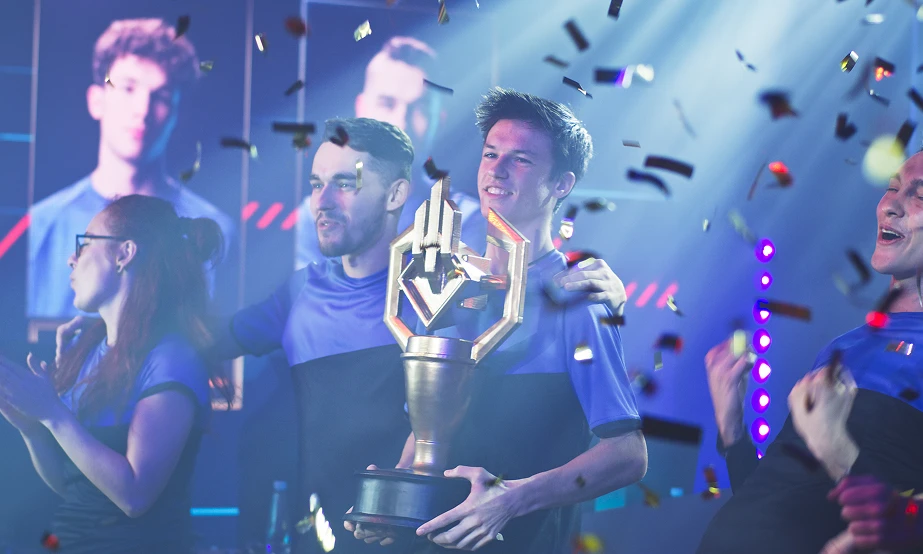
As representatives of the video games industry in Europe, we are concerned about the potential conflation between sports and esports, as video games exist in a different ecosystem and legal context than sports. Imposing a sports-like framework on the video game sector, including the classification of esports as a sport, is neither appropriate nor practical, damaging the sector and creating confusion among citizens.
More information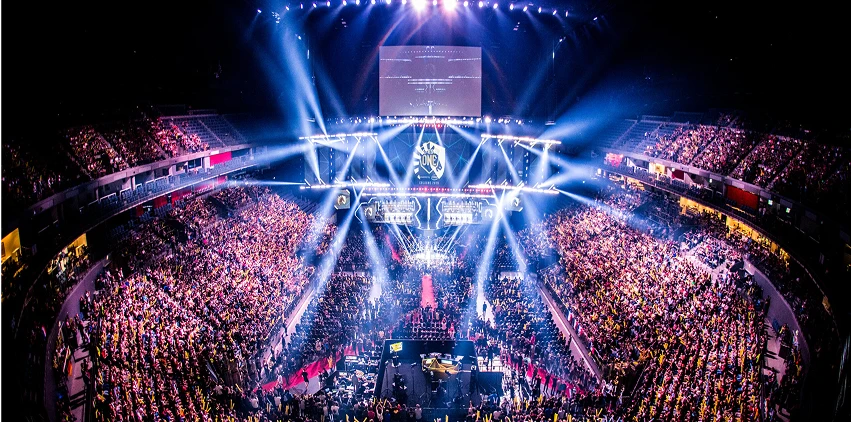
As members of the global video games and esports community (including the owners and publishers of the intellectual property underlying esports), we created these guiding principles of engagement in an effort to promote esports that are fun, fair, and enjoyed by players around the world in an open and inclusive environment. We support these principles and encourage all esports stakeholders to do the same.
These core principles were developed in a collaborative effort and form a set of values applicable in all aspects of the global esports environments: safety and well-being, integrity and fair play, respect and diversity, and positive and enriching game play.
Through mutual respect, understanding, and purpose, we strive to foster community that is responsible, welcoming, engaging, and of course, fun. By promoting a safe, fair, and inclusive esports environment, all members of the esports ecosystem benefit from sportsmanship, camaraderie, and other positive values that our industry actively promotes.

All esports community members deserve to participate in and enjoy esports in safe spaces and to be free from threats and acts of violence and from language or behavior that makes people feel threatened or harassed.

Cheating, hacking, or otherwise engaging in disreputable, deceitful, or dishonest behavior detracts from the experience of others, unfairly advantages teams and players, and tarnishes the legitimacy of esports.

Esports promotes a spirit of healthy competition. Whether in person or online, all members of the esports community should demonstrate respect and courtesy to others, including teammates, opponents, game officials, organizers, and spectators. Esports is truly global and brings together players from different backgrounds, cultures, and perspectives. We believe the broad and diverse player base of esports contributes to its success. We support an open, inclusive, and welcoming environment for all, no matter one’s gender identity, age, ability, race, ethnicity, religion, or sexual orientation.

Esports can help build self-confidence and sportsmanship and boost interpersonal communication and teamwork skills. Esports brings players and fans together to problem solve through strategic play, collaboration, and critical thinking. Participation in esports can also lead to the development of new and lasting friendships among teammates, competitors, and members of the broader esports community.

Esports awareness across European countries increased enormously since 2020, with a large majority of people in the European sample knowing the term and more than 40% being able to define ‘esports’ correctly in 2022.

Video game associations and companies have created the Guide to Esports, outlining the state of esports play for all stakeholders, including publishers, developers, tournament organisers, teams, players and fans.